

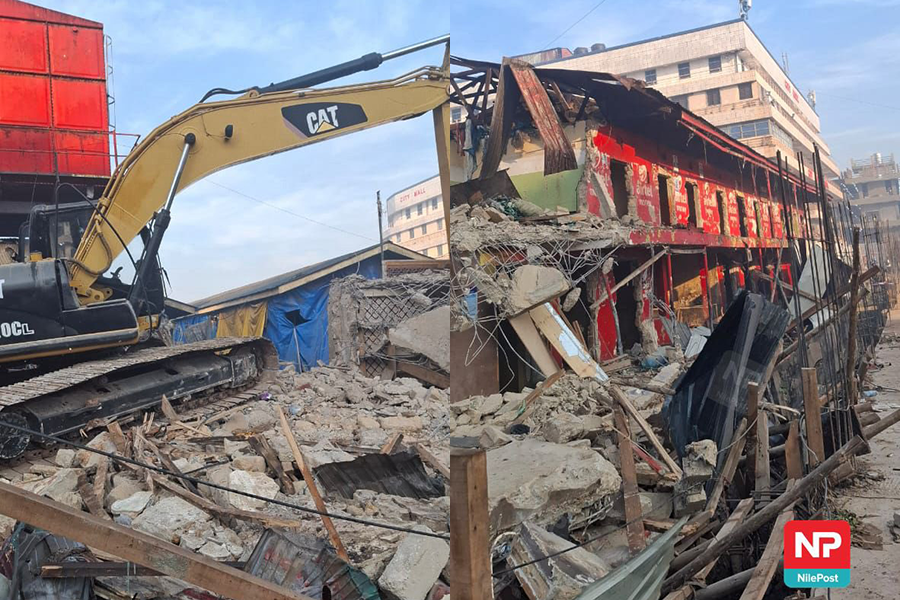
There is growing concern over the silence of Kampala’s ten division legislators amid persistent challenges, including flooding, rising crime, and market demolitions affecting residents.
Critics question whether the MPs are effectively representing the city, while some lawmakers attribute limited action to the aftermath of the 2026 elections, noting that only a few re-elected legislators continue to actively advocate for residents.
Kampala, one of the most densely populated urban centres in Uganda, has been grappling with persistent floods that disrupt businesses, enforcement operations that have seen markets demolished under unclear circumstances, and a surge in criminal activity.
As these challenges persist, critics have pointed an accusing finger at the city’s area legislators for remaining silent and seemingly absent.
Nakawa East MP and Shadow Minister for Kampala, Eng. Ronald Balimwezo, acknowledged the silence from some legislators, attributing it to the effects of the 2026 general elections.
“It’s true there are those who are silent. But this silence stems from the 2026 elections where some of them lost, hence the low morale,” Eng. Balimwezo said.
The 2026 elections saw several legislators from the 11th Parliament lose their seats, including Makindye East MP Derrick Nyeko, Makindye West MP Allan Ssewanyana, and Rubaga South MP Aloysius Mukasa. Others, such as Kawempe South MP Kazibwe Bashir Mbazira, did not return to contest their seats.
This left only a few legislators who retained their positions to continue pushing for the needs of city residents.
However, some MPs insist that addressing Kampala’s structural challenges requires more than parliamentary advocacy.
They emphasize the need for strong central government commitment to improve governance and service delivery in the capital.
“Annually, we have been presenting alternative budgets and policy statements; this is something we are also working on even this year. The unfortunate bit is that government continues to neglect some of our proposals, which we believe can aid in addressing challenges facing Kampala,” said Joel Ssenyonyi.
Kampala is estimated to host more than three million residents and remains a key source of national revenue. Yet, despite its economic significance, the city continues to struggle with persistent urban challenges.
